How Long Does It Take to Get Dentures After Teeth Are Pulled?
Understanding the Denture Process: An Overview
The journey to receiving dentures includes assessment, extractions, healing, denture fabrication, fitting, and adjustments. Some people opt for immediate dentures, while others wait for traditional dentures once healing is complete.
Immediate vs Traditional Dentures
The choice between immediate and traditional dentures affects your timeline significantly. Each option has benefits and limitations worth considering.
Immediate Dentures
Immediate dentures are placed on the same day the teeth are removed. They act as both a temporary set of teeth and a protective barrier for the gums during healing.
Traditional Dentures
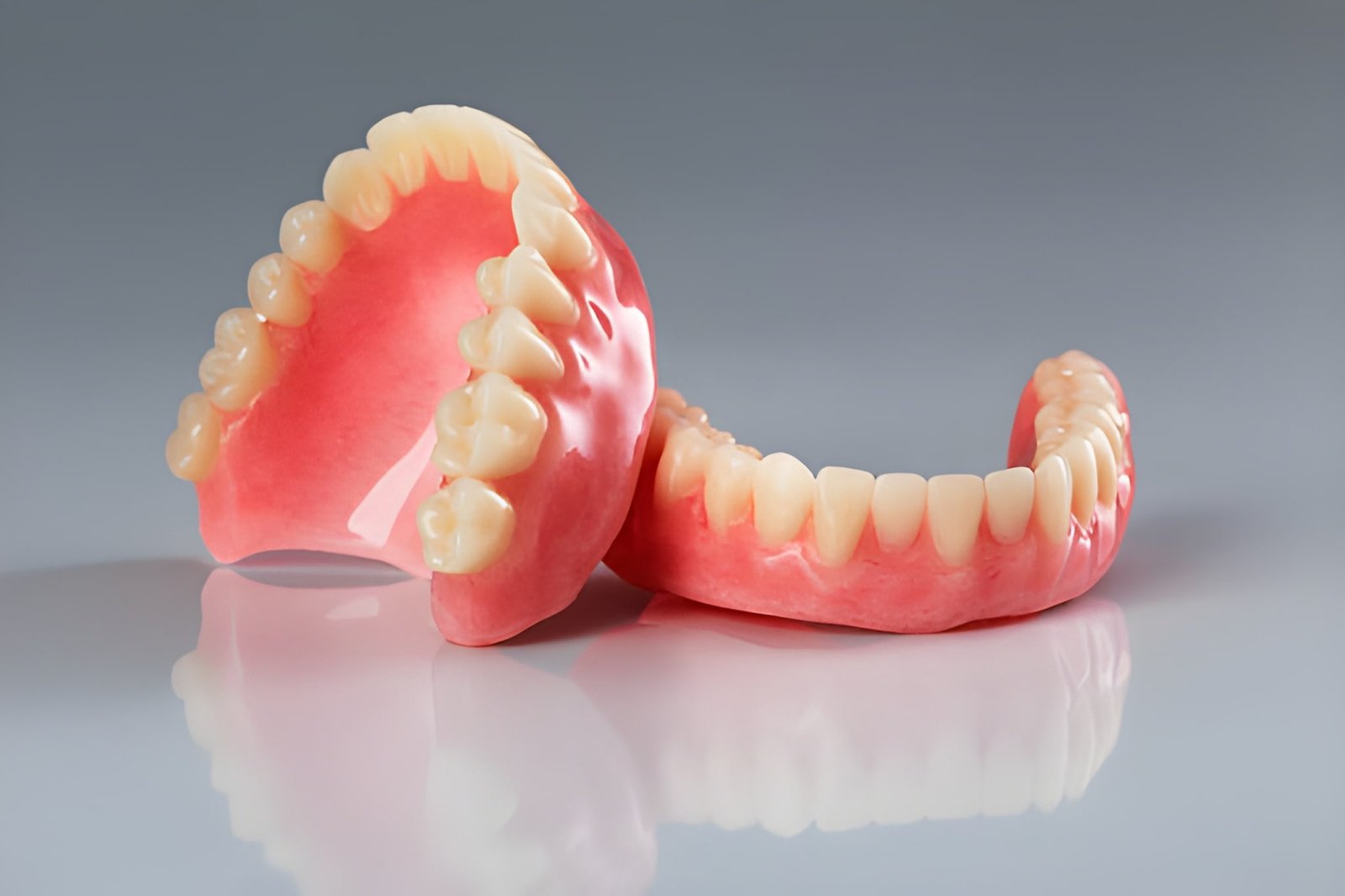
Traditional dentures are made once the gums have fully healed, giving a stable and long-lasting fit.
Pros and Cons of Immediate Dentures
Pros
- You leave the clinic with teeth the same day.
- They help protect the gum tissue and reduce bleeding.
- They support speaking and eating during the initial healing phase.
Cons
- They often require multiple adjustments as the gums shrink.
- They may not fit as accurately as traditional dentures.
- They are usually a temporary solution.
Pros and Cons of Traditional Dentures
Pros
- Designed after healing, offering a more stable and precise fit.
- Fewer long-term adjustments are needed.
- Often more comfortable than immediate dentures.
Cons
- You may be without teeth for several weeks while healing.
- The process takes longer overall.
The Extraction Phase: What to Expect When Teeth Are Pulled
What Patients Can Expect During This Phase
The extraction phase is an essential part of the denture journey. Understanding what happens can help ease anxiety and prepare you for recovery.
Preparation
Before the procedure, your provider assesses your oral health, reviews medical history, and determines which teeth require removal. Impressions for immediate dentures may also be taken at this stage.
Extraction Procedure
Teeth are removed under local anaesthesia. You may feel pressure but not pain. For those opting for immediate dentures, impressions taken beforehand allow the dentures to be fitted the same day.
Post-Extraction Care
Proper aftercare supports healing, reduces infection risk, and influences how fast you can progress to the next stage. This includes rest, avoiding hard foods, keeping the area clean, and following the provider’s instructions closely.
The Timeline for Getting Dentures
Initial Consultation and Evaluation
This first visit involves assessments, X-rays, and discussions about the types of dentures available. It is also where you begin planning your personalised treatment timeline.
Extraction Phase
Extractions may take one visit or several, depending on how many teeth need removal. Healing typically begins immediately and continues over several weeks.
Immediate vs Traditional Dentures
Your choice dictates the next steps. Immediate dentures are fitted right away, while traditional dentures require healed gums before fabrication.
Denture Fabrication
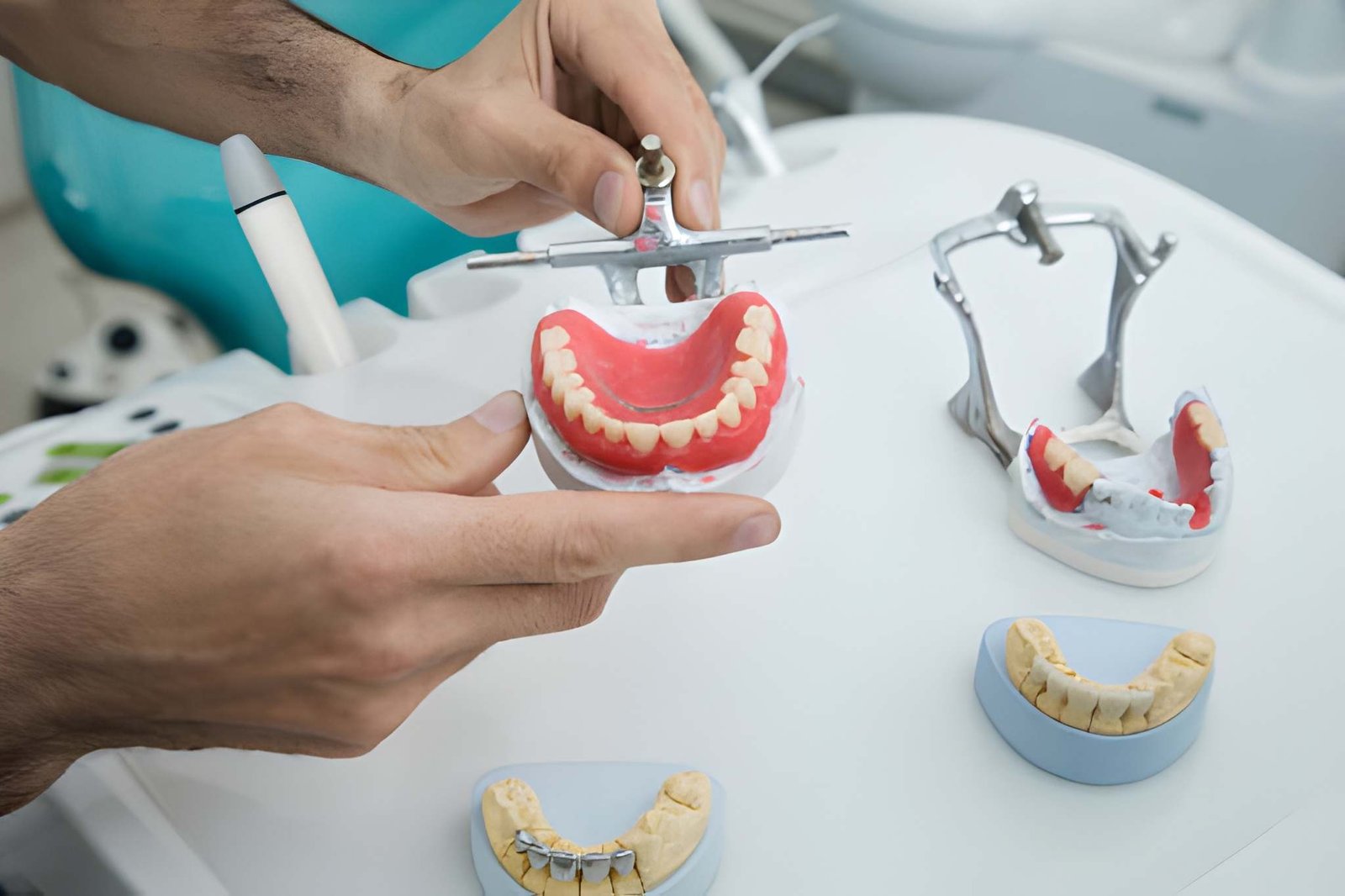
For traditional dentures, impressions are taken once healing has progressed. The laboratory process includes creating a wax model, selecting teeth, and refining the fit before producing the final denture. This stage typically takes three to six weeks.
Fitting and Adjustments
Once your dentures are ready, you attend a fitting appointment. Adjustments fine-tune comfort and bite function. Immediate dentures require more frequent adjustments due to gum changes.
Healing and Final Fitting
Full healing from extractions may take eight to twelve weeks. Once the gums stabilise, your final traditional dentures can be fitted. This ensures a secure and long-lasting fit.
Factors Affecting the Timeline
Health Factors
Conditions such as diabetes or gum disease can affect healing times. Your overall health plays a major role in how quickly you progress.
Complexity of Extractions
Simple extractions heal faster than surgical ones. More complex cases may lengthen the timeline.
Individual Healing Rates
Everyone heals differently. Some may be ready for dentures sooner, while others may require more time.
Managing the Interim Period
If you are waiting for traditional dentures, your provider may recommend temporary solutions. Immediate dentures, soft liners, or eating adjustments can help you manage daily life comfortably during this phase.
Post-Denture Care and Adjustments
Adjusting to dentures takes time. It may involve learning new speech patterns, adapting to eating, and maintaining proper hygiene. Regular check-ups ensure your dentures continue to fit well and remain comfortable.
Conclusion
FAQs
How long after extractions can I get dentures?
Immediate dentures can be fitted the same day, while traditional dentures usually require eight to twelve weeks of healing.
Do dentures hurt when you first get them?
You may experience mild discomfort as your mouth adjusts, but this typically improves with time and adjustments.
How long does it take to get used to dentures?
Most people adapt within a few weeks, though full adjustment can take a few months.
Will I need to replace my dentures?
Dentures often last five to seven years, depending on wear, maintenance, and gum changes.
Can I eat normally with dentures?
You can enjoy a wide range of foods, though you may need to start with softer options and work up to tougher textures.