Understanding Dentures: Types and What You Need to Know
The 13 Types of Dentures Explained
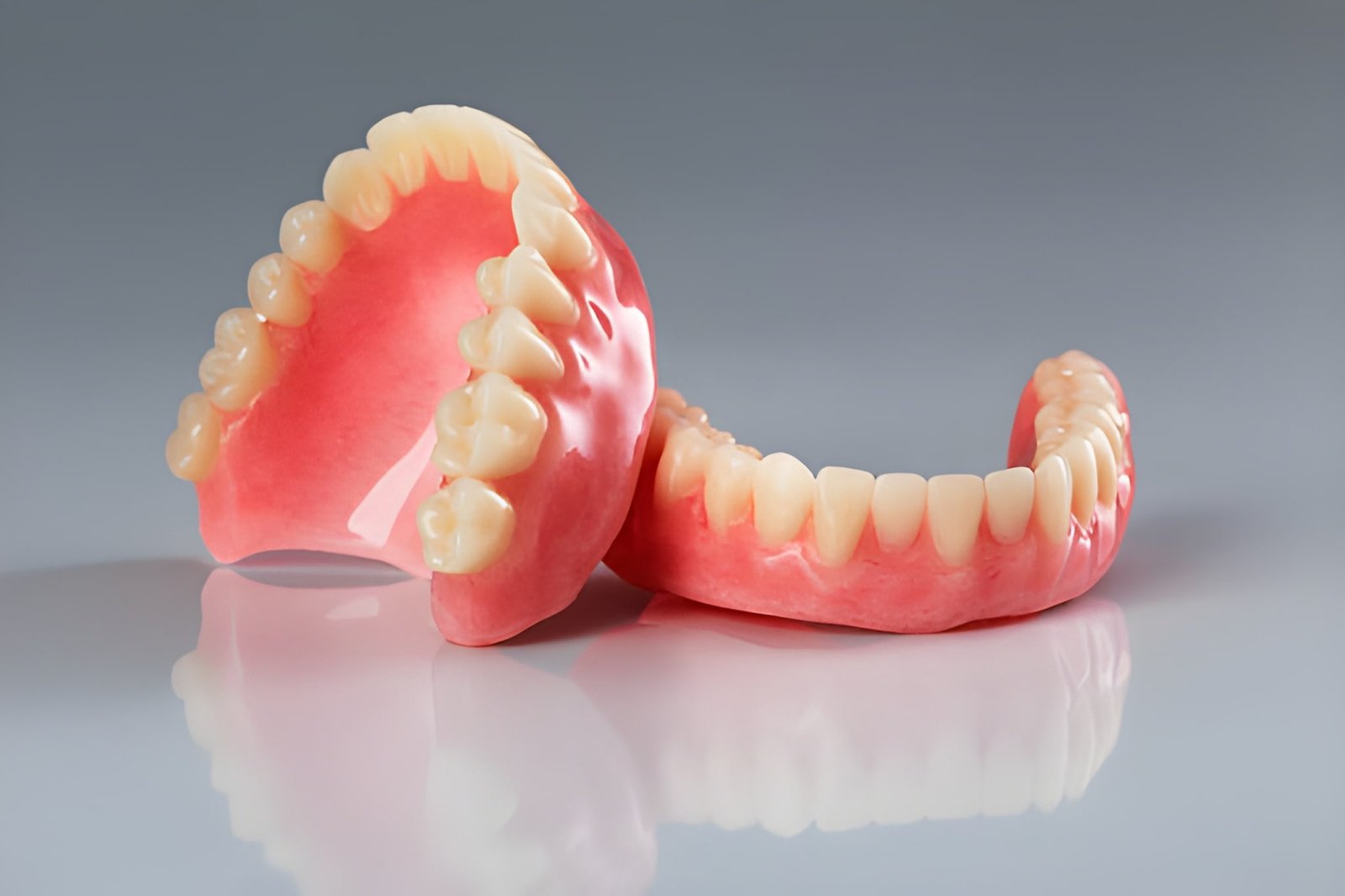
1. Full Dentures
Full dentures replace an entire arch of missing teeth. They rest on the gums and are typically made from acrylic. They are suitable for patients who have lost all upper or lower teeth.
2. Partial Dentures
Partial dentures replace several missing teeth in one arch. They are secured using clasps or precision attachments and help prevent existing teeth from shifting.
3. Traditional Dentures
Traditional dentures are fabricated after teeth are removed and gums have healed. They offer a secure fit once the mouth has stabilised.
4. Immediate Dentures
Immediate dentures are placed on the same day the teeth are extracted. They act as a temporary option while your gums heal.
5. Transitional Dentures
These temporary dentures are used while patients undergo treatments such as extractions or implant placement. They offer short-term aesthetics and function.
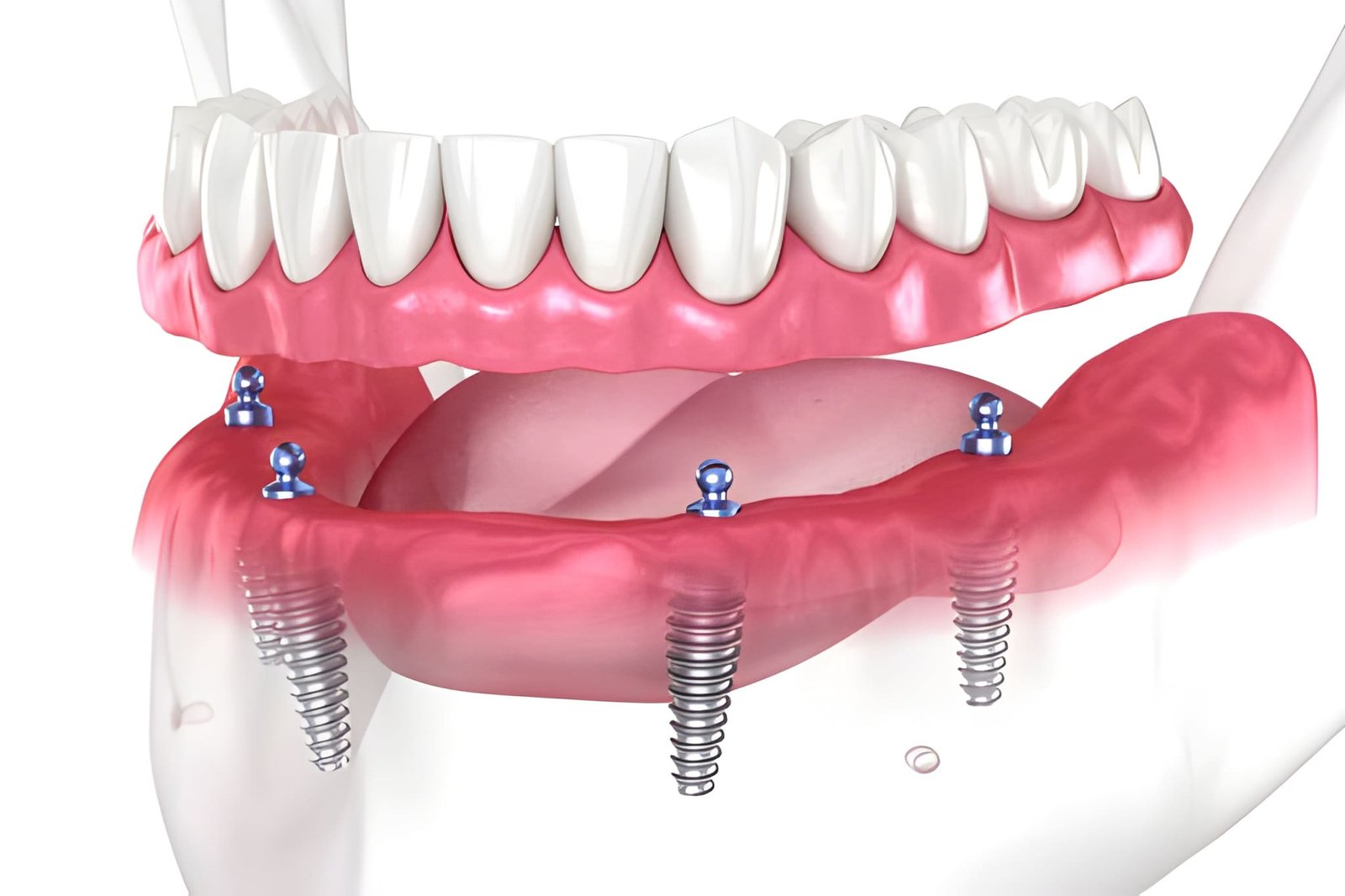
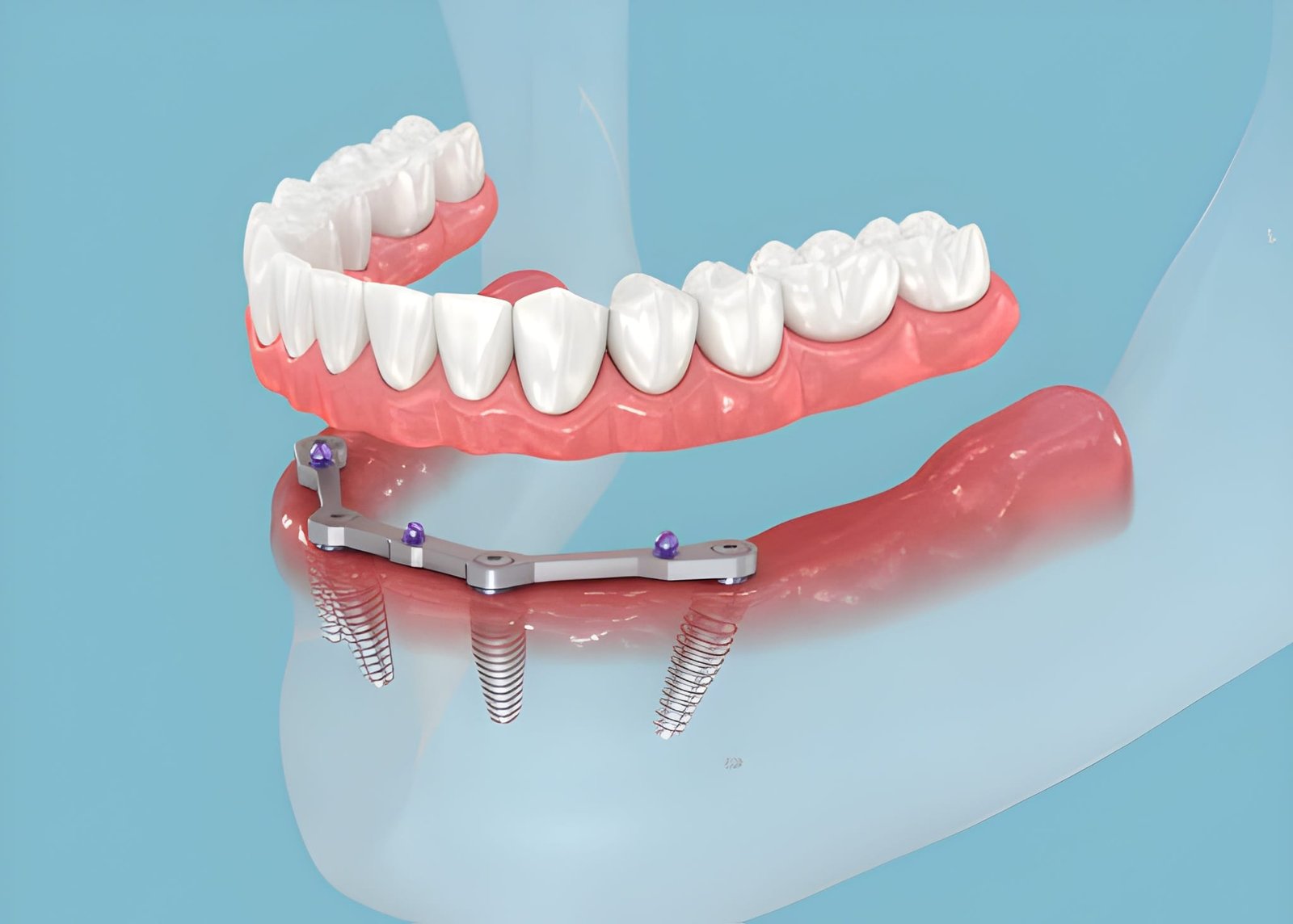
6. Implant-Supported Dentures
These dentures attach to implants placed in the jawbone. They offer excellent stability, making them ideal for those seeking a secure and long-lasting solution.
7. Overdentures
Overdentures fit over existing teeth or implants to create strong support and improved comfort.
8. Flipper Dentures
A flipper denture is a lightweight, removable option often used to replace a single missing tooth. It offers a temporary cosmetic fix.
9. Hybrid Dentures
Hybrid dentures combine features of traditional dentures and implants. They are fixed in place and offer a natural, stable bite.
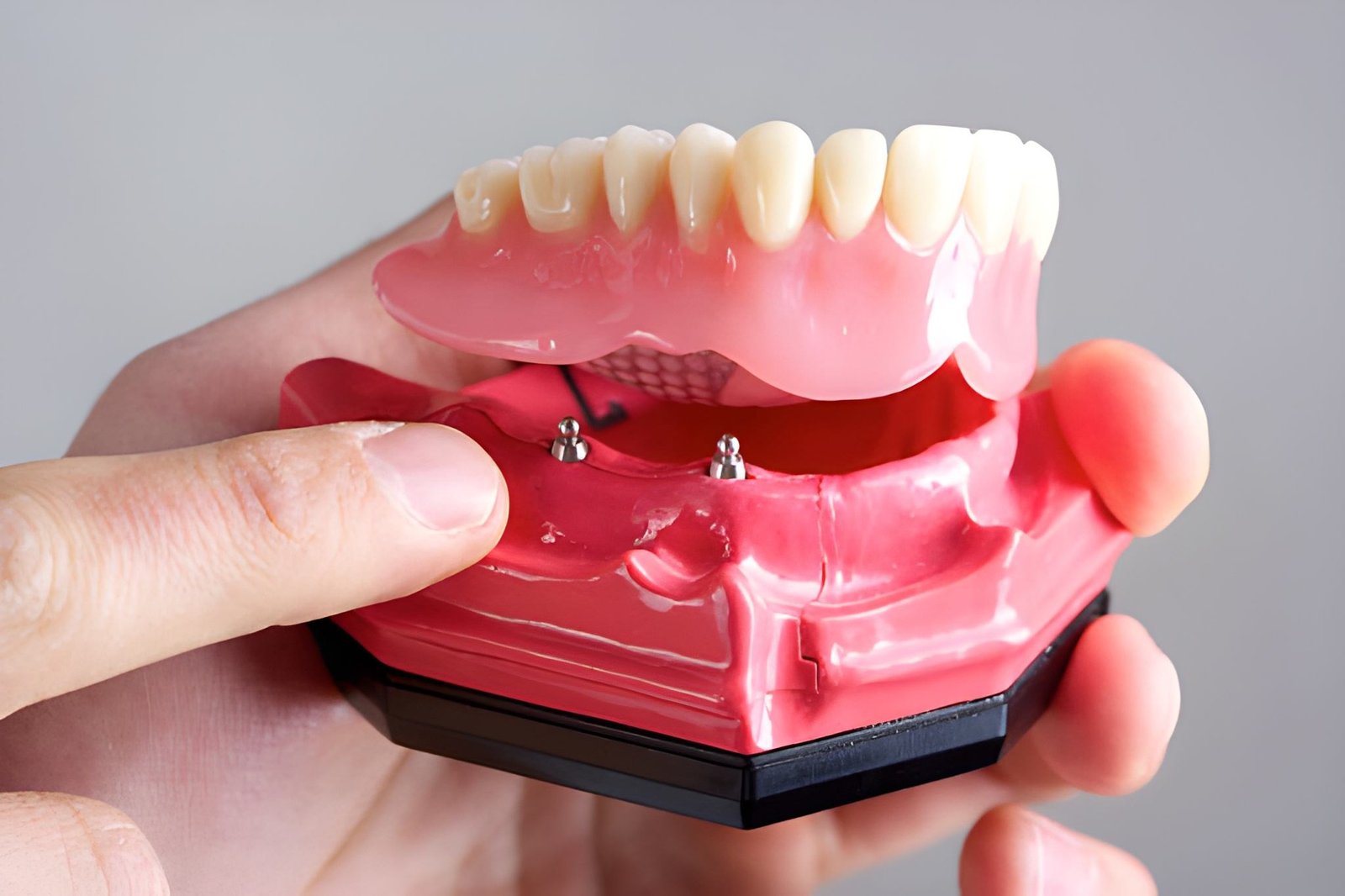
10. Snap-On Dentures
Snap-on dentures attach to implants using special connectors. They offer improved retention while remaining removable.
11. Custom Dentures
Custom dentures are tailored using premium materials and enhanced aesthetic design. They provide a natural appearance and precise fit.
12. Economy Dentures
Economy dentures are a more basic option and may require adhesive while offering limited customisation.
13. Flexible Dentures
Flexible dentures are made from lightweight, bendable materials. They are comfortable and ideal for replacing a few missing teeth without metal clasps.
Denture Materials: Another Key Choice
The material used affects comfort, durability and appearance. Common materials include acrylic resin, flexible nylon, porcelain and implant-grade titanium for implant-supported options.
Denture Overview
Dentures vary based on type, materials, customisation and additional procedures such as extractions. Implant-supported options offer greater stability, while simpler designs provide accessible solutions.
Your Dentist Can Help You Choose
Treatment Process: What to Expect
Denture Consultation
Your dentist will examine your mouth, discuss your goals and talk through different denture types. They will also cover timelines and expected outcomes.
How Dentures Are Made
The process includes taking impressions, bite registration, trying in wax models and final fabrication. Advanced dentures may use digital scanning for enhanced precision.
Denture Fitting
During the fitting, your dentist will assess comfort, bite alignment and aesthetics. Adjustments may be needed to ensure a natural and comfortable fit.
Benefits and Drawbacks of Dentures
Benefits
Dentures restore your smile, improve speech, support facial muscles and enhance chewing ability. They can be a practical alternative to implants.
Drawbacks
Some patients experience initial discomfort, mouth irritation or difficulty with certain foods. Periodic adjustments may be required over time.
Recovery and Long-Term Care
Getting Used to Dentures
It may take a few weeks to adjust to new dentures. Practising speech and eating soft foods can help ease the transition.
How Long Dentures Last
With proper care, dentures typically last several years. Implant-supported versions may last longer.
How to Care for Your Dentures
Daily cleaning, proper storage and routine dental check-ups are essential. Avoid using hot water, as it can warp denture materials.
When to Contact Your Dentist
Reach out if you experience persistent discomfort, changes in fit, difficulty chewing or signs of infection. Regular reviews help maintain long-term oral health.
Alternatives to Dentures
Depending on your needs, dental implants or dental bridges may provide a fixed solution. Your dentist can explain the suitability of each option.
Can You Sleep with Dentures In?
While possible, it is generally recommended to remove dentures at night to allow your gums to rest and reduce the risk of irritation.
FAQs
Are dentures painful to get?
You may experience mild discomfort or pressure initially, but this usually settles as your mouth adapts.
How often should dentures be replaced?
Most dentures require replacement over time due to natural changes in your gums and daily wear.
What foods should I avoid with new dentures?
Sticky, hard or very chewy foods may be difficult at first. Gradually introduce a wider range as your comfort improves.
Can dentures look natural?
Yes. Modern dentures are highly aesthetic, especially custom and implant-supported options.
Do I still need dental check-ups if I have full dentures?
Absolutely. Your dentist will monitor your gum health, bone structure and the condition of your dentures.