
Are Dentures Challenging to Wear and Get Used To?
Many people considering dentures worry about discomfort, speech changes, or difficulty eating. While dentures do require an adjustment period, most people adapt within a few weeks. Understanding what to expect from the start helps you transition smoothly and choose the most comfortable denture option for your needs.
What Are Dentures?
Types of Dentures
Different types of dentures offer varying levels of fit, stability, and comfort.
- Full dentures: Replace all teeth in an arch.
- Partial dentures: Replace several missing teeth and attach to natural ones.
- Immediate dentures: Placed on the same day teeth are removed.
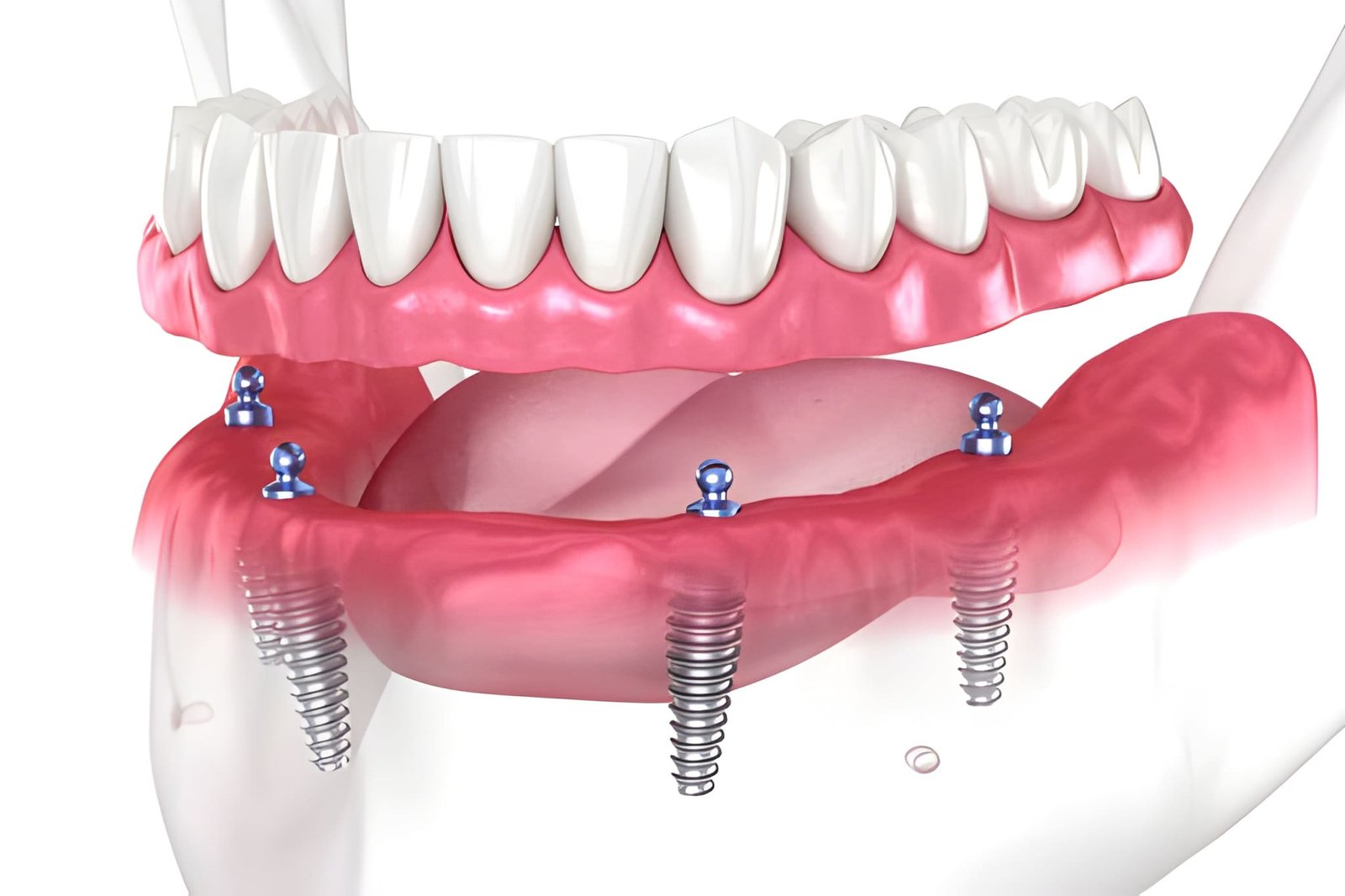
- Implant-supported dentures: Snap onto dental implants for a secure fit.
Your choice depends on your oral health, the number of missing teeth, and your comfort preferences.
How Does Material Affect Denture Comfort?
Denture materials play a major role in comfort. Acrylic is commonly used for its durability and adaptability. Flexible materials create softer partial dentures that feel gentler on the gums. Premium materials resist wear and maintain their shape longer, contributing to improved long-term comfort.
Are Custom-Fit Dentures More Comfortable Than Standard Ones?
Yes. Custom-fit dentures are made using detailed impressions and bite measurements. This ensures the denture base closely matches the natural shape of your gums, reducing friction, slipping, and sore spots. Standard dentures, in contrast, follow basic templates and often feel looser or bulkier.
Impact of Denture Design
The shape, thickness, and contour of a denture influence comfort. A well-designed denture distributes pressure evenly across the mouth, stays secure when talking and eating, and closely matches natural teeth in size and shape. Poor design may cause sore spots, difficulty speaking, or discomfort while chewing.
What Should You Expect During the Adjustment Period?
The first days and weeks with dentures are the most challenging. As your mouth adapts, you may experience increased saliva flow, mild soreness, or a feeling of fullness. These sensations are temporary and improve significantly with consistent wear and minor adjustments.
What to Expect the First Couple of Weeks After Getting Dentures
During the first two weeks, your gums and mouth muscles begin adapting to the new appliance. You may need small adjustments to improve fit. It’s normal to feel unsure about eating or speaking initially, but daily practice leads to quick improvement.
Talking With Dentures
Speech often feels different at first, especially with words containing “s” or “f” sounds. Reading aloud, speaking slowly, and practising difficult words help your brain and mouth adjust to the new shapes and spacing created by the denture.
Eating With Dentures
Start with soft foods cut into small pieces. Chew slowly using both sides of the mouth to prevent tipping. As you adjust, gradually add firmer foods. Avoid very sticky or hard foods early on to reduce discomfort or appliance movement.
Managing Discomfort
Mild irritation is normal in the early stages. Saltwater rinses can soothe gums, while denture adhesives may improve stability. If discomfort persists or sores appear, a professional adjustment may be needed for an improved fit.
Getting Used to Dentures
Most people adapt fully to their dentures within a few weeks. Consistent wear, proper cleaning, and patience are key. Over time, your speech, eating, and daily routines feel natural again.
What Is the Most Comfortable Denture to Wear?
The most comfortable denture is one that fits securely and matches your lifestyle. Implant-supported dentures offer exceptional stability and feel closest to natural teeth, while flexible partial dentures provide gentle comfort. For complete dentures, custom-made designs with high-quality materials provide the best long-term comfort.
Find Out if Dentures Are Right for You
If you’re missing several or all of your teeth, dentures may be a suitable solution. Factors such as gum health, bone structure, lifestyle preferences, and budget can help determine the best type of denture for your needs.
The Best Ways to Care for Your Dentures
Proper care extends the life of your dentures and keeps your mouth healthy.
- Clean dentures daily using a soft brush and mild cleaner.
- Soak them overnight to maintain shape and hygiene.
- Rinse thoroughly before wearing them each morning.
- Keep your gums and tongue clean with gentle brushing.
- Attend regular check-ups to ensure continued comfort and fit.
Are You Looking for Comfortable Dentures in Dallas?
Book an Appointment
If you’re ready to explore denture options or need help with an existing pair, schedule an appointment to receive personalised care and guidance.
Services
The available dental services include general and cosmetic treatments to support your oral health journey.
General
Comprehensive oral care to maintain healthy gums, teeth, and overall dental function.
Cosmetic
Aesthetic treatments aimed at improving the appearance of your smile, complementing restorative solutions such as dentures.
Quick Links
Convenient access to essential service areas, booking information, and practice details.
Service Areas
Providing denture and dental care services to patients throughout the greater Dallas region.
Business Hours
Flexible appointment times are available throughout the week to accommodate your schedule.
FAQs
How long does it take to get used to dentures?
Most people adjust within two to four weeks, though some may take slightly longer depending on the type of denture and personal comfort levels.
Why do my dentures feel loose?
Gum and bone changes over time can affect fit. A professional adjustment or reline usually resolves this issue.
Can I sleep with my dentures in?
It’s recommended to remove dentures at night to allow gums to rest and to maintain good oral hygiene.
What foods should I avoid with dentures?
Sticky, very hard, or extremely chewy foods can be difficult to manage and may damage the appliance.
Do dentures affect speech permanently?
No. Speech improves significantly with practice, and most people speak naturally within a short period.