Dentures (False Teeth)
Dentures are removable appliances used to replace missing teeth and surrounding tissues. They restore your ability to eat, speak and smile confidently, while also supporting facial structure. Whether you require full or partial dentures, understanding your options helps you make an informed decision that suits your lifestyle, budget and oral health.
What Dentures Are For
Alternatives to Dentures
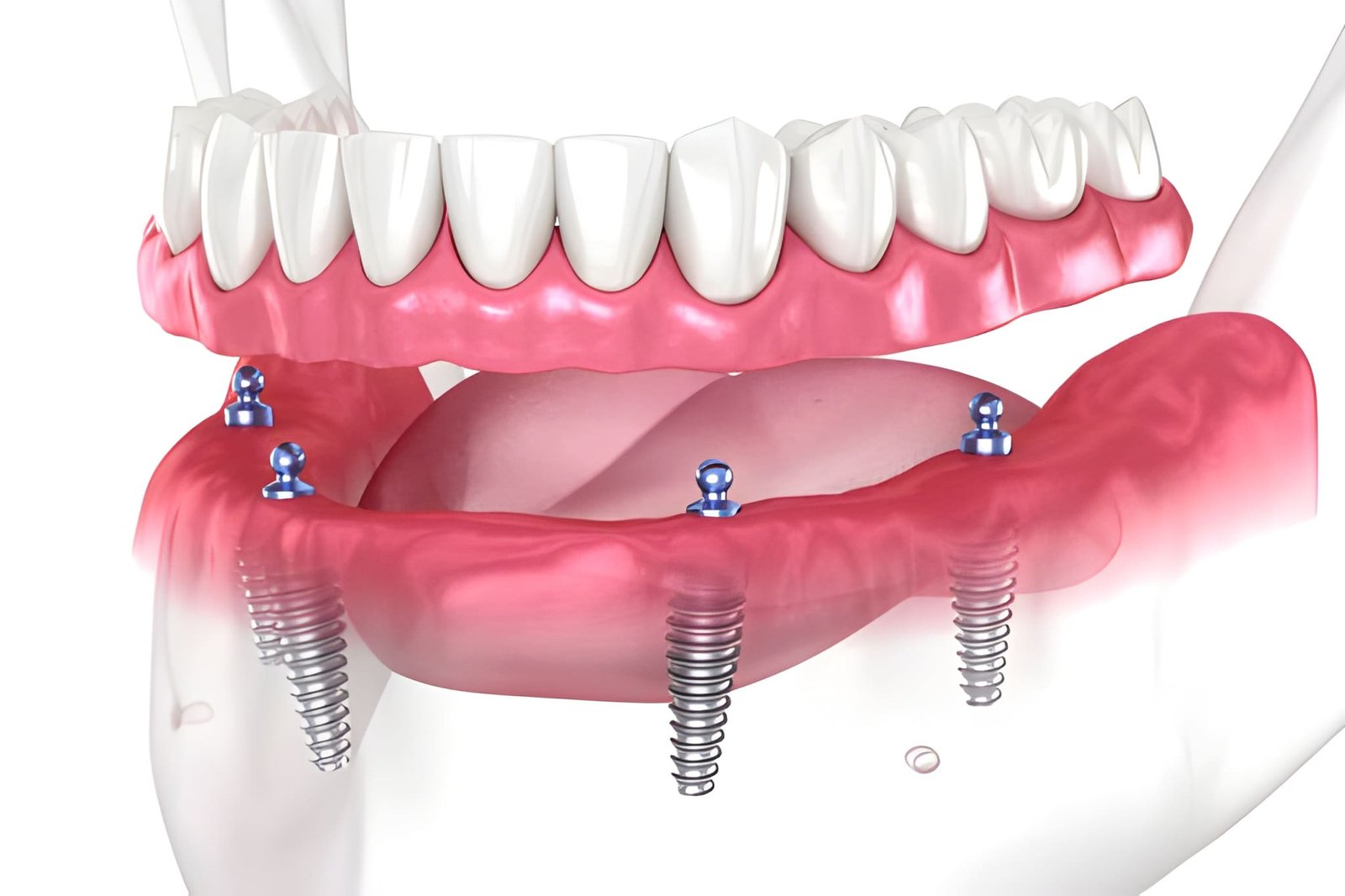
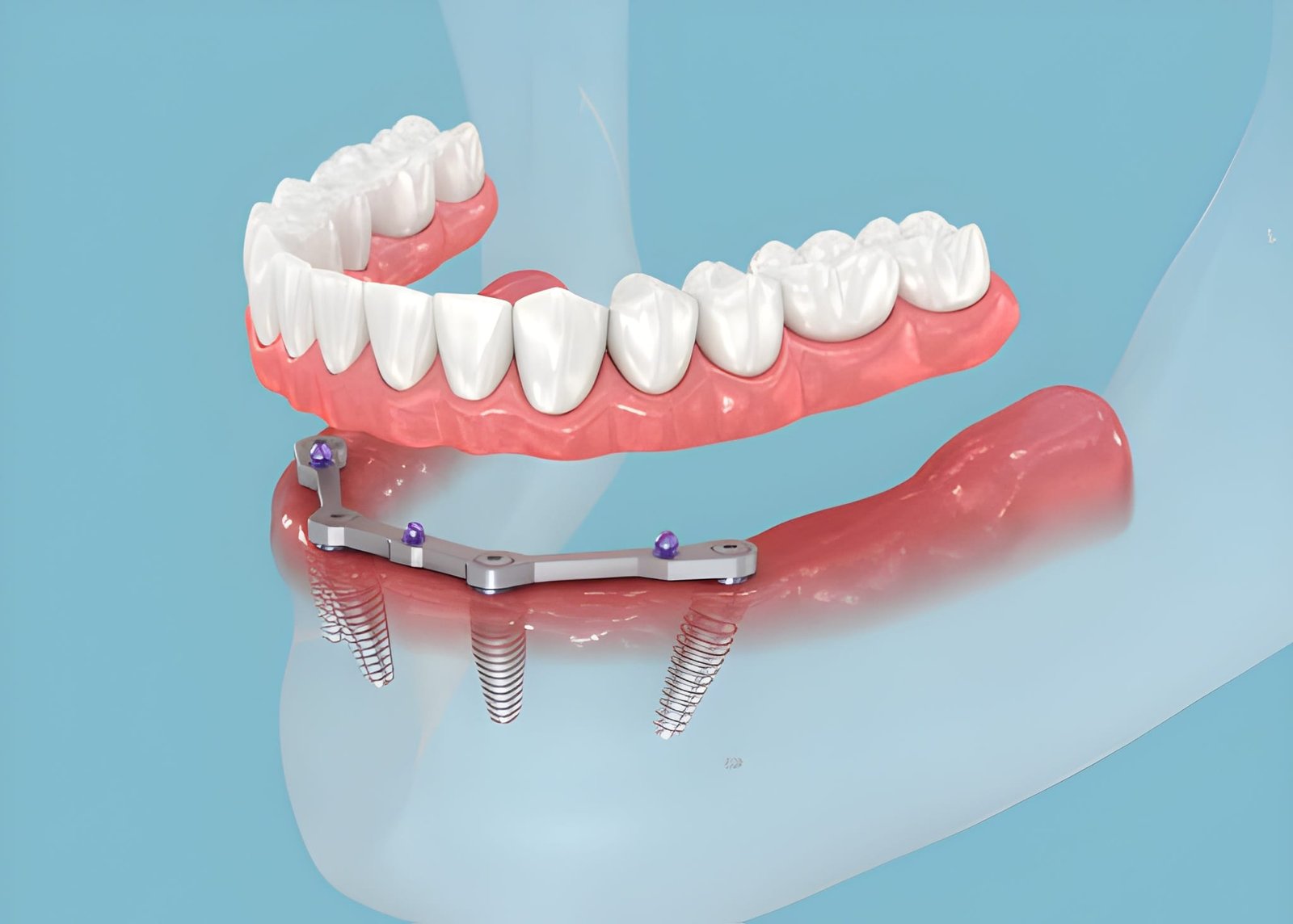
Alternatives include dental implants, bridges and implant-supported dentures. These may offer enhanced stability but often come at a higher cost and may not be suitable for everyone.
How to Get Dentures
The process typically involves a dental assessment, impressions, bite measurements, denture design and final fitting. Several adjustment appointments may follow to ensure comfort and function.
Paying for Private Dentures
Private dentures vary in cost depending on the materials, craftsmanship and type required. Private options offer more flexibility than NHS treatments but come at a higher price.
How Dentures Are Made and Fitted
Immediate Dentures
Immediate dentures are placed on the same day teeth are removed, providing an instant solution. Adjustments are usually needed as gums heal and change shape.
How to Look After Your Dentures
Good denture hygiene helps prolong their life and maintain oral health.
Do
Clean dentures daily, soak them overnight, handle them carefully and attend regular dental check-ups.
Don’t
Do not use hot water, abrasive cleaners or wear dentures while sleeping unless advised.
Find Out More
Your dentist can offer tailored advice based on your oral health, lifestyle and preference.
Problems Dentures Can Cause
Common issues include gum irritation, sore spots, looseness, difficulty eating certain foods and speech changes. Most problems can be corrected with adjustments.
Non-urgent Advice: See a Dentist If:
Your dentures feel loose, cause discomfort, make eating difficult or show visible damage.
Private Dentures vs NHS Dentures – Pros & Cons
Both options aim to restore function and appearance, but they differ in cost, materials and aesthetic quality.
At a Glance: NHS vs Private Dentures
NHS dentures focus on essential function, while private dentures prioritise enhanced comfort, appearance and customisation.
What Are NHS Dentures?
NHS dentures provide a functional solution at a fixed Band 3 cost. Materials and design options are limited but fit the clinical need.
Benefits of NHS Dentures
Affordable, functional and widely accessible.
Limitations of NHS Dentures
Fewer aesthetic choices, basic materials and limited customisation.
What Are Private Dentures?
Private dentures offer access to premium materials, advanced craftsmanship and a more personalised fit.
Benefits of Private Dentures
Improved appearance, comfort, durability and tailored design options.
Considerations
Higher cost and more appointments may be required.
Material Comparison: NHS vs Private Dentures
NHS dentures often use standard acrylics. Private dentures may incorporate lightweight resins, flexible materials or high-impact acrylics for better wear and comfort.
Aesthetic Differences
Private dentures typically resemble natural teeth more closely with enhanced shading, gum contouring and tooth shape options.
Fit, Function & Adjustments
Private dentures generally offer a more precise fit. Both types may require adjustments over time as your mouth changes.
Waiting Times
NHS waiting times vary, often longer than private appointments. Private clinics usually offer faster turnaround.
Cost Breakdown
NHS dentures fall under a set Band 3 fee. Private denture costs differ based on complexity, materials and design.
Who Should Choose NHS Dentures?
Ideal for those seeking the most affordable option that provides essential function.
Who Should Choose Private Dentures?
Best for individuals prioritising comfort, appearance and long-term durability.
Support Links
Your dental practice can provide guidance on available options and ongoing support.
Book a Denture Appointment Today
If you are considering dentures, a consultation will help determine the best treatment to restore your smile.
FAQs
How long do dentures last?
Most last 5–10 years depending on care and changes in your mouth.
Can I eat normally with dentures?
Yes, though you may need time to adjust to different foods.
Do dentures hurt?
Some initial discomfort is normal, but persistent pain should be assessed by a dentist.
Can dentures look natural?
Modern dentures, especially private options, can be made to look very natural.
How often should dentures be cleaned?
Clean them daily and soak them every night to maintain hygiene and fit.